When Should a Personal Trainer Stop Renting Gym Space and Open Their Own PT Studio?
For many personal trainers, renting space in a commercial gym is the ideal way to build a client base without the expense of opening a facility of their own. It provides access to professional equipment and allows you to focus on developing your coaching business with relatively low financial risk.
As your business grows, however, renting can start to hold you back. Rising rental fees, limited training availability and a lack of control over your environment can all impact your ability to grow. If you're consistently fully booked or turning away new clients, it may be time to consider opening your own personal training studio.
In this guide, we'll explore the signs that you're ready to make the move, the benefits of owning your own PT studio and the key considerations when creating a space that supports both your clients and your long-term business goals.


Learn the key signs that you've outgrown renting gym space and whether opening your own PT studio is the right next step for your business.
Know When You're Ready
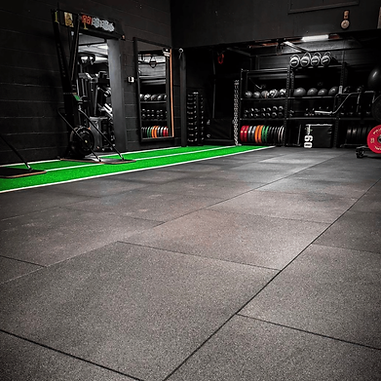
Discover the essential equipment, layout and design considerations that will help you create a professional, functional training space without overspending.
Plan Your Studio for Success
Find out how owning your own studio can unlock new revenue streams, strengthen your brand and create opportunities to expand beyond one-to-one personal training.
Build a Business That Can Grow
Signs You're Ready to Open Your Own PT Studio
Every business grows at a different pace, but there are several common signs that suggest it may be time to invest in your own training space.
Your Rental Costs Are Becoming Expensive
Paying rent to use someone else's facility is a normal part of starting out, but over time those payments can become one of your largest business expenses. If you're spending hundreds or even thousands of pounds every month on gym rental, it's worth comparing those costs against leasing or financing your own studio. In many cases, the money you're paying each month could instead be invested into building a business that you own.
You're Fully Booked Most Weeks
A consistently full diary is one of the strongest indicators that your business is ready to grow. If you're regularly working early mornings, evenings and weekends just to accommodate demand, you've likely reached the limits of what your current arrangement allows. Your own studio gives you greater flexibility over your timetable and creates opportunities to introduce additional services.
You're Turning Away New Clients
Having to decline enquiries because there aren't enough available training slots is frustrating for both you and potential clients. Opening your own studio creates more flexibility, allowing you to expand your schedule, offer semi-private coaching or even bring additional trainers into the business as demand increases.
You Want More Control Over the Client Experience
Every personal trainer has their own coaching philosophy, but when you're renting space, many aspects of the client experience remain outside your control. From the equipment available and the music playing in the background to the cleanliness of the facility and the overall atmosphere, you're relying on someone else's standards. Having your own studio allows you to create an environment that reflects your brand and supports the experience you want every client to have.
You're Ready to Build a Business Rather Than Simply Sell Your Time
Personal training is often built around one-to-one sessions, but owning your own facility opens the door to much greater opportunities. Rather than relying solely on the hours you can personally work, you can begin building systems, developing additional revenue streams and creating a business with long-term value.
The Financial Benefits of Owning Your Own Studio
Opening your own PT studio isn't simply about reducing rental costs—it's about creating opportunities to increase revenue. With complete control over your facility, you can diversify the services you offer and maximise the use of your space throughout the day. This might include:
One-to-one personal training
Semi-private personal training
Small group strength sessions
Fitness memberships
Online coaching programmes
Nutrition coaching
Corporate wellbeing sessions
Retail supplements and merchandise
Instead of relying on a single source of income, your studio can generate revenue from multiple services that complement one another. Over time, this creates a more resilient business and reduces your dependence on delivering every session yourself.
What Equipment Do You Actually Need?
One of the biggest misconceptions about opening a PT studio is that you need hundreds of pieces of equipment. In reality, most successful studios focus on versatile equipment that supports a wide range of training styles while making the best use of available space.
Strength Equipment
Your strength area should provide everything needed for progressive resistance training. Core equipment often includes:
Half rack or power rack
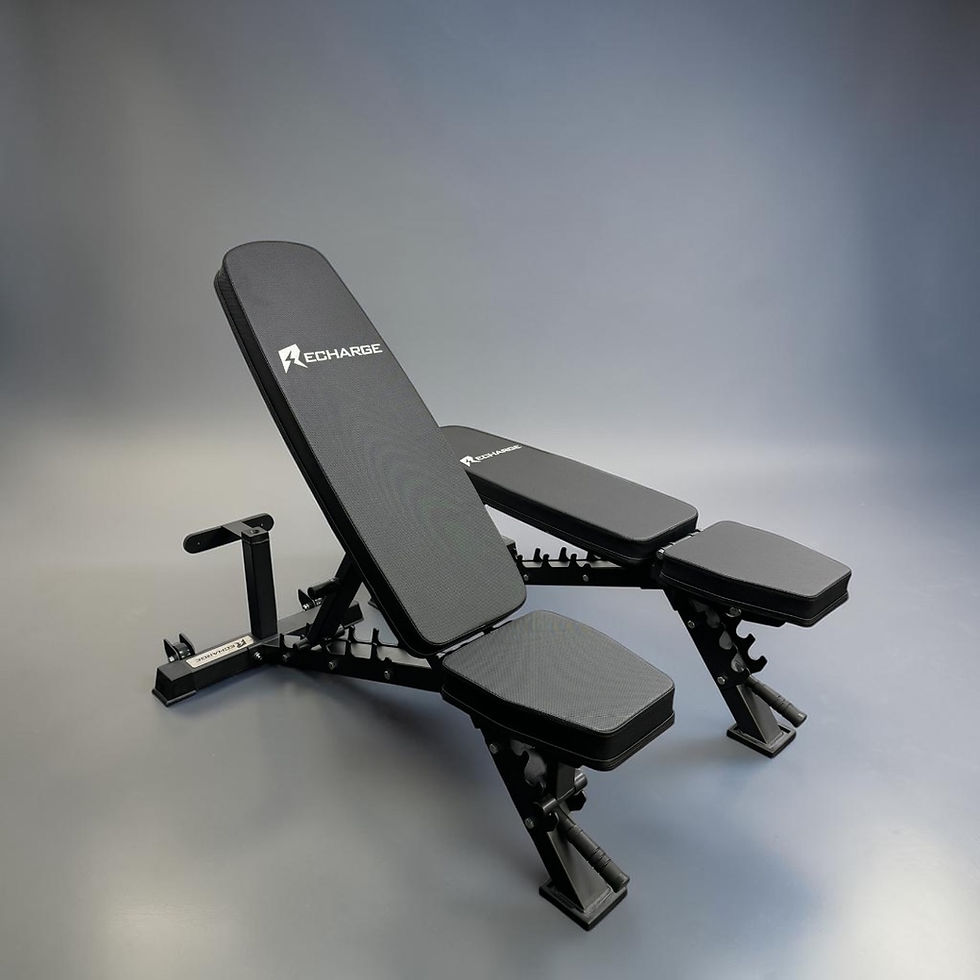
Adjustable bench
Olympic barbell
Bumper plates
Full dumbbell set
Kettlebells
Functional trainer or cable machine
This equipment allows you to coach beginners, experienced lifters and rehabilitation clients without filling your studio with unnecessary machines.
Functional Training
Functional training has become an essential part of modern personal training. A dedicated area may include:
Sled track
Sled
Battle ropes
Plyometric boxes
Wall balls Sandbags
Resistance bands
These tools support conditioning sessions, athletic development and circuit-based coaching while adding variety to client programmes.
Cardio Equipment
You don't need an entire commercial cardio suite, but offering a small selection of premium equipment adds significant versatility. Popular choices include:
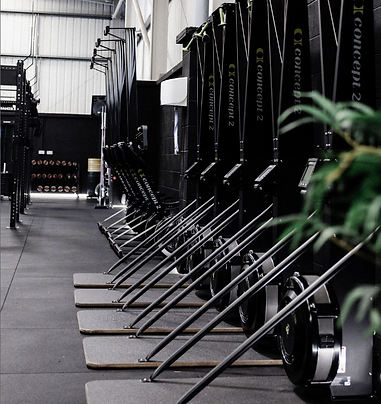
SkiErg
Rowing machine
Air bike
Curved treadmill
These machines are ideal for warm-ups, conditioning circuits and high-intensity interval training while taking up relatively little floor space.
Design a Studio That Reflects Your Brand
Clients remember how a training space makes them feel. A clean, professional and well-designed studio builds confidence from the moment someone walks through the door. It also helps justify premium pricing by reinforcing the quality of your coaching. Investing in durable rubber flooring creates a safe and comfortable training environment while reducing noise and protecting your subfloor. Large mirrors improve technique and help make smaller spaces feel more open, while carefully chosen lighting can dramatically influence the atmosphere of your studio. Many trainers also incorporate custom branding through wall graphics, colour schemes, sled tracks and equipment upholstery to create a memorable experience that clients associate with their business. The goal isn't to create the biggest gym in your area—it's to create one that feels uniquely yours.
Don't Try to Build a Commercial Gym Overnight
One of the most common mistakes first-time studio owners make is trying to buy everything at once. It's far better to invest in high-quality equipment that you'll use every day than fill your studio with machines that rarely get touched. Start with the essentials that support your coaching style and your clients' goals. As your membership grows and your revenue increases, you can gradually expand your equipment offering to match demand. This approach helps protect cash flow while ensuring every investment delivers genuine value to your business.
Common Mistakes New PT Studio Owners Make
Starting a studio is exciting, but avoiding a few common mistakes can save both time and money.
Buying Too Much Equipment: A crowded gym doesn't necessarily provide a better training experience. Prioritise versatile equipment before investing in specialist machines.
Choosing Cheap Flooring: Flooring is one of the hardest parts of a gym to replace once equipment has been installed. Investing in durable commercial flooring from the outset can reduce maintenance costs and improve the appearance of your facility for years to come.
Poor Layout Planning: Equipment should be positioned to create clear walkways, dedicated training zones and enough room for clients to move safely during sessions.
Ignoring Branding: Your studio should look and feel like your business. Consistent colours, signage and design help create a professional image that clients remember.
Not Planning for Growth: Even if you're opening a relatively small studio, leave space for additional equipment, new services or another coach in the future. Planning ahead makes expansion much easier when the time comes. Think Beyond One-to-One Coaching: Many successful PT studios evolve into much more than places where personal training sessions take place. As your business grows, you may decide to introduce small group classes, specialist workshops, educational seminars or community events. Some studios add recovery facilities, retail products or coffee areas that encourage clients to stay longer and connect with one another.
Building a community around your coaching can improve client retention just as much as delivering excellent training programmes. People are far more likely to remain members when they feel part of something bigger than their weekly workout. By designing your studio with future growth in mind, you'll be well positioned to expand your services as your business develops.
Is It Time to Take the Next Step?
There's no perfect moment to stop renting gym space and open your own PT studio. Every personal trainer's journey is different, and the right decision will depend on your finances, client base and long-term ambitions. However, if you're consistently fully booked, paying substantial rental fees, turning away new enquiries and looking for greater control over your business, opening your own studio could be the natural next step. With careful planning, the right equipment and a space designed around your coaching philosophy, you can create a facility that supports both your clients and your future growth. More importantly, you'll be building a business that reflects your own brand, creates additional opportunities for income and provides a foundation for long-term success.