Online PT vs Traditional PT
Choosing between online personal training and traditional in-person coaching is an important decision when building your career as a PT. Both routes offer different benefits, challenges and opportunities depending on how you want to work, who you want to train and the type of business you want to build. In this guide, we’ll compare online PT and traditional PT, helping you decide which path could be the best fit for your goals.


A successful personal training business needs more than fitness knowledge. Focus on getting client results, building strong relationships and creating simple systems that help you deliver a consistent service, whether you train clients online, in person or through a hybrid approach.
Key Success Principles
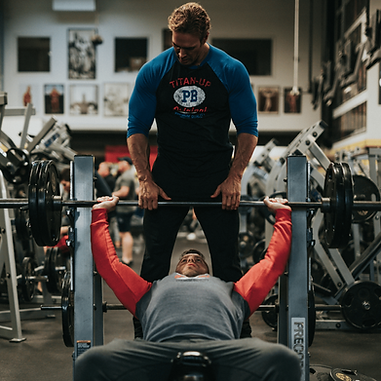
Traditional personal training gives you face-to-face coaching, stronger client relationships and the ability to correct form in real time. The main limits are location, schedule flexibility and income being tied closely to the number of sessions you can deliver.
Traditional Personal Training

Online personal training offers more flexibility, lower overheads and the chance to work with clients beyond your local area. The main challenges are building a strong digital presence, keeping clients motivated remotely and giving clear feedback without being there in person.
Online Personal Training
Online PT vs Traditional PT: Which Route Should You Choose?
Choosing between online PT and traditional in-person personal training depends on your strengths, goals and the type of business you want to build. Some trainers thrive on face-to-face coaching, hands-on support and building relationships in a gym environment. Others prefer the flexibility, scalability and wider reach that comes with online coaching.
Start by thinking about your coaching style. If you enjoy direct interaction, correcting technique in person and building strong local relationships, traditional PT may suit you well. Working face to face also helps you develop key coaching skills, especially when you’re new to personal training and still learning how different clients move, train and respond to support. Online PT can be a strong option if you’re confident with technology, communication and content creation. Instead of coaching every rep in person, you’ll usually provide plans, check-ins, feedback and accountability remotely. This can give you more flexibility and the chance to work with clients outside your local area, but it also requires clear systems and strong communication. Your business goals matter too.
Traditional PT is usually built around one-to-one sessions, local clients and set appointment times. Online coaching can be easier to scale, as you can work with more clients without being tied to one location all day. However, building an online PT business still takes time, trust, marketing and proof that your coaching gets results. It’s also worth thinking about your target market. Some clients want in-person support because they need confidence, technique help and structure. Others prefer online coaching because it fits around their schedule and allows them to train independently.
Understanding who you want to help will make it easier to choose the right route. For many new personal trainers, starting with traditional PT can be useful. It helps you build experience, improve your coaching eye and collect real client results. From there, you can start adding online elements, such as training plans, remote check-ins, client resources and progress tracking. A hybrid approach is often the most practical long-term option. This allows you to maintain personal relationships with local clients while also building an online offer that gives you more reach and flexibility. You might coach some clients in person, support others online and eventually create multiple income streams from the same skill set. Your choice does not need to be permanent. Many successful personal trainers start in a gym, move into online coaching, open a private studio or combine all three as their business grows. The best route is the one that matches your strengths now, while still giving you room to adapt as your career develops.
If you're setting up a PT studio, or a home gym for your online PT, we have a range of excellent quality gym equipment.