Getting Into Fitness
Starting your fitness journey can feel overwhelming, but it doesn’t need to be complicated. Whether your goal is to lose weight, build muscle, improve your confidence or feel healthier day to day, the key is building simple habits you can stick to. At Recharge Fitness, we believe getting into fitness starts with the right mindset, a realistic plan and a training setup that supports your goals.


Lifting weights and eating well work together to create better results. Strength training helps build muscle and confidence, while a balanced diet supports energy, recovery and progress. Keep both simple and consistent.
Lift Weights & Eat Well

To lose weight, you need to burn more calories than you consume over time. Training helps increase energy output, while your food choices control intake. Keep the deficit realistic, stay consistent and track progress gradually.
Burn More Energy Than You Consume
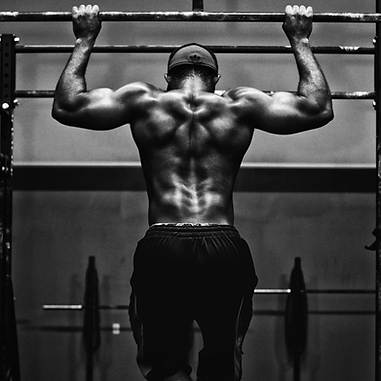
To build muscle, gradually make your training harder over time and support it with enough protein and a slight calorie surplus. This helps your muscles recover, repair and grow, while giving your body the fuel it needs to progress.
Overload Training & Protein-Rich Diet
How to Start Training Without Overcomplicating It
Getting into fitness does not need to be complicated. When you’re just starting out, the goal should be to build a routine you can stick to, rather than trying to do everything at once. You could spend hours looking into diet plans, training splits and supplements, but for most beginners, the best approach is simple: choose one clear goal, train consistently and make small improvements over time.
If your main goal is fat loss, you’ll usually want to focus on a steady calorie deficit. If your main goal is building muscle, a small calorie surplus can help support strength and size gains. It’s much easier to focus on one goal at a time, especially when you’re new to training. Trying to lose fat and build muscle at the same time can make progress harder to track and more frustrating.
For your workouts, keep the structure simple. A full-body training plan is a strong place to start because it lets you train all the main muscle groups several times per week without needing to spend hours in the gym. It also gives you enough recovery time between sessions, which is important when your body is still adapting to lifting weights and regular exercise.
A good beginner structure is three workouts per week. This could be Monday, Wednesday and Friday, or Tuesday, Thursday and Saturday, depending on your routine. The main thing is to avoid lifting weights on back-to-back days at the start. Rest days help your muscles recover, reduce soreness and make it easier to turn up to each session feeling ready to train properly. Each workout should take around 45 minutes if you rest for roughly 60 to 90 seconds between sets.
To keep things interesting, you can use three different session styles: one higher-rep workout, one medium-rep strength workout and one circuit-style workout. This gives you enough variety to stay engaged, while still keeping the plan simple and easy to follow. For a higher-rep session, focus on around 15 reps for 3 sets per exercise. Exercises such as goblet squats, incline dumbbell press, assisted or banded pull-ups, reverse dumbbell flys, tricep kickbacks and seated bicep curls can all work well. On the final set of each exercise, try to add one extra rep. If you complete it with good form, you can look to increase the weight the following week. For a medium-rep session, aim for around 8 reps for 3 sets, with slightly longer rest periods. This style works well with bigger compound lifts such as deadlifts, bench press, bent-over rows, shoulder press and calf raises. Keep the weight controlled, especially on technical movements, and prioritise good form over lifting as heavy as possible. For a circuit-style session, choose around 6 exercises and complete 10 reps of each before repeating the circuit 3 times. Simple movements such as dumbbell floor press, air squats, lateral raises, sit-ups, bicep curls and leg raises are easy to understand and work well for beginners. Circuits are a good way to build fitness, burn calories and make the session feel more energetic.
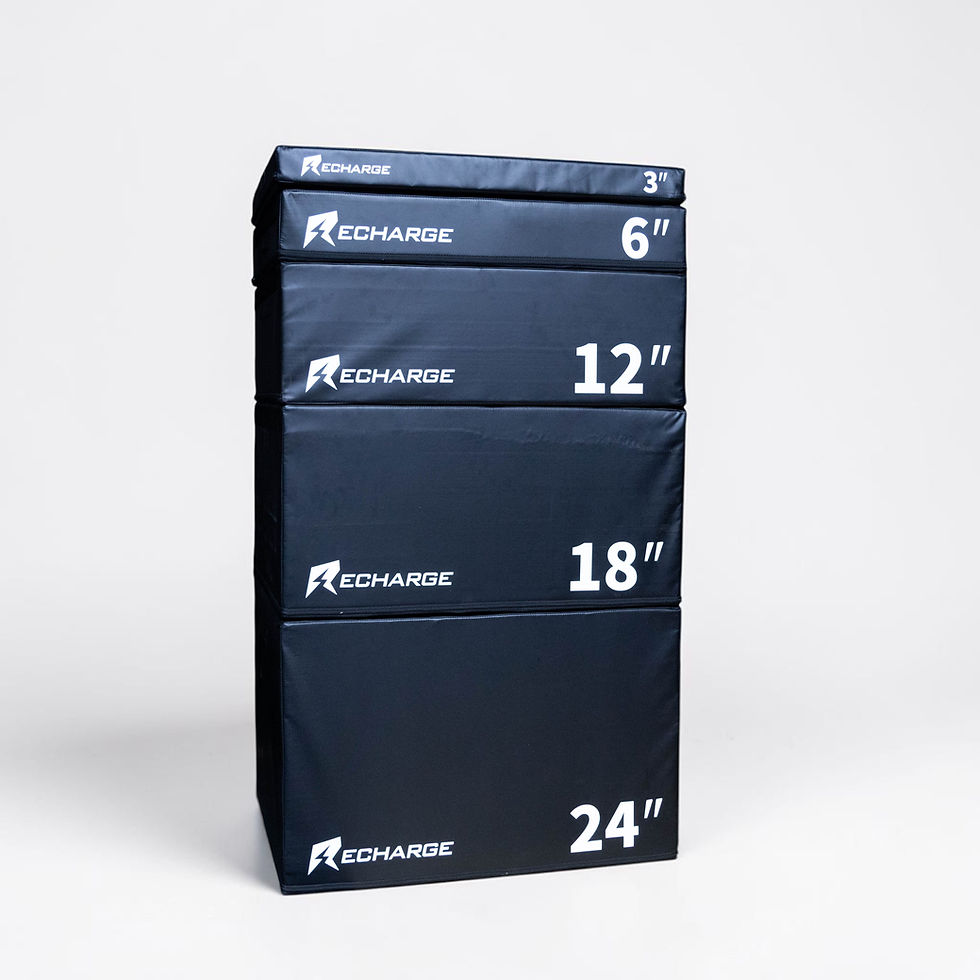
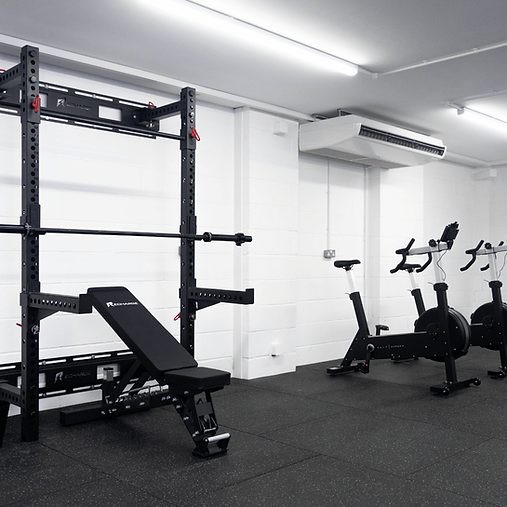
You don’t need a huge amount of gym equipment to get started. For a home gym or garage gym, a good dumbbell set and an Olympic lifting set are two of the most useful foundations. If you have more space and budget, an adjustable bench and rack can make your training much more versatile. From there, you can add extra kit as your confidence, strength and goals develop.
The most important thing is consistency. Set realistic goals, start slower than you think you need to and build gradually. You don’t need to train every day or completely change your lifestyle overnight. A simple plan, repeated week after week, will take you much further than an extreme routine you can only stick to for a few days.
Check out our range of great-value gym equipment.