
Understanding Different Types of Gym Barbells

If you’ve ever stepped foot in a gym or set up a home gym, you’ve probably noticed the variety of barbells scattered around. But have you ever stopped to wonder why there are so many different types? Well, you’re in the right place! Today, I’m going to walk you through the fascinating world of types of gym barbells. Whether you’re a seasoned pro or just starting your fitness journey, knowing which barbell suits your needs can make a huge difference.
Let’s dive in and break down the most common barbells, their unique features, and how to pick the right one for your workout goals.
Why So Many Types of Gym Barbells?
Before we get into the nitty-gritty, let’s chat about why there are so many barbells in the first place. It’s not just to confuse you (though, I get it, it can feel that way). Different barbells are designed for different lifts, body mechanics, and training styles. Some are built for heavy lifting, others for speed and agility, and some for very specific movements.
For example, a barbell used for Olympic weightlifting looks and feels very different from one used for powerlifting or general strength training. The design tweaks might seem small, but they can affect your grip, the bar’s flexibility, and even your injury risk.
So, knowing the differences helps you train smarter, not harder.
The Main Types of Gym Barbells You Should Know
Alright, here’s where the fun begins. I’m going to break down the most popular barbells you’ll encounter, what makes them special, and when to use them.
1. Olympic Barbell
The Olympic barbell is specifically designed for Olympic lifts like the snatch and clean & jerk. Our Olympic bars as good all-around bars, all have pretty hefty max loads as we've over spec'd them.
Length: 7.2 feet (2.2m)
Weight: 20kg (44lbs) for men, 15kg (33lbs) for women
Diameter: 28mm (men’s), 25mm (women’s)
Use: Olympic weightlifting, CrossFit
What sets it apart? The sleeves rotate on bearings, which helps reduce torque on your wrists during fast lifts. Plus, it has more whip than a standard bar, which can help with explosive movements.
2. Powerlifting Barbell
If you’re all about maxing out your squat, bench, and deadlift, this barbell is your best mate. It’s built tough and stiff to handle heavy weights without bending too much.
Length: 7.2 feet (2.2m)
Weight: 20kg (44lbs)
Diameter: 29mm
Use: Powerlifting competitions, heavy lifting
Powerlifting bars have less whip and more aggressive knurling (the rough grip pattern) to help you hold onto the bar during heavy lifts. They usually don’t have centre knurling for bench press comfort, but some do.
3. Trap Bar (Hex Bar)
Now, this one’s a bit different. The trap bar isn’t a straight barbell but a hexagonal-shaped bar you stand inside. It’s fantastic for deadlifts and shrugs.
Shape: Hexagonal
Weight: Usually 20-30kg
Use: Deadlifts, shrugs, farmers walks
The design lets you keep the weight centered around your body, which can reduce stress on your lower back. It’s a great option if you want to lift heavy but stay safe.
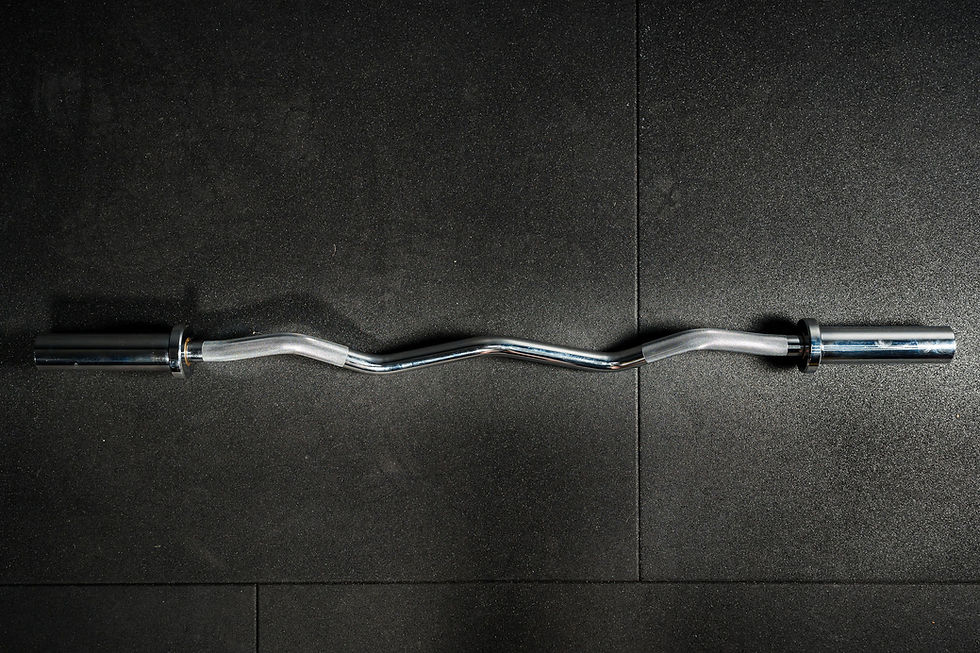
4. EZ Curl Bar (Recharge 10kg EZ bar)
If you’re focusing on your arms, the EZ curl bar is a must-have. It’s shorter and has a zig-zag shape that’s easier on your wrists during curls and tricep extensions.
Length: ~4 feet (1.2m)
Weight: 7-12kg (15-26lbs)
Use: Bicep curls, tricep extensions
The angled grip reduces wrist strain, making it a favourite for arm day. Plus, it’s compact, so it fits nicely in smaller gyms or home setups.
5. Safety Squat Bar
This one’s a bit of a niche but a game-changer for some lifters. The safety squat bar has padded handles that come forward, making it easier to hold and reducing shoulder strain.
Weight: 20-25kg (44-55lbs)
Use: Squats, especially for those with shoulder or wrist issues
It shifts the weight slightly forward, which can help with balance and posture during squats. If you’ve got shoulder mobility problems, this bar might be your new best friend.
6. Technique bar
This one’s all about building great form without jumping straight to a full-size Olympic bar. A 7.5kg technique bar is perfect for beginners, juniors, or anyone returning from injury who wants to nail the basics—without the intimidation (or load) of a 20kg bar.
Weight: 7.5kg (16.5lbs)
Use: Learning lifts, warm-ups, technique work (squats, presses, deadlifts, Olympic lift progressions)
Because it’s lighter and easier to control, you can focus on bar path, bracing, depth and tempo—the stuff that actually makes you stronger long-term. If you’re coaching new lifters or want a bar that makes practice feel smooth and repeatable, this is a no-brainer.
How to Choose the Right Barbell for You
So, with all these options, how do you pick the right one? Here’s a quick guide:
Identify your primary lifts: Are you into Olympic lifts, powerlifting, or general strength training?
Consider your space: Home gyms might not have room for a full 7-foot barbell.
Think about your goals: Want to build muscle, increase max strength, or improve technique?
Check your budget: Some speciality bars can be pricey, but they’re worth it if they fit your needs.
Try before you buy: If possible, test different bars at your gym or store.
Remember, the right barbell can make your workouts more effective and enjoyable.
Taking Care of Your Barbell
Once you’ve got your perfect barbell, don’t just toss it in the corner and forget about it. Proper maintenance will keep it in top shape for years.
Clean regularly: Wipe down after use to prevent rust.
Oil the sleeves: Keeps the rotation smooth.
Store properly: Use a rack or wall mount to avoid bending.
Inspect for damage: Check knurling and sleeves for wear.
A well-maintained barbell feels better and lasts longer, saving you money in the long run.
Why Investing in Quality Barbells Matters
You might be tempted to grab the cheapest barbell you find, especially for a home gym. But trust me, quality matters. A well-made barbell not only feels better but also performs better and is safer.
At Recharge Fitness, we believe in providing top-notch, bespoke solutions for both home and commercial setups. Investing in the right equipment, like a quality barbell, is the foundation of any successful training program.
There you have it! A friendly guide to the different types of gym barbells and how to choose the one that fits your needs. Next time you’re at the gym or shopping for equipment, you’ll know exactly what to look for. And hey, if you want to explore more about gym barbells, Recharge Fitness is your go-to expert for all things gym equipment.
Happy lifting!


Comments