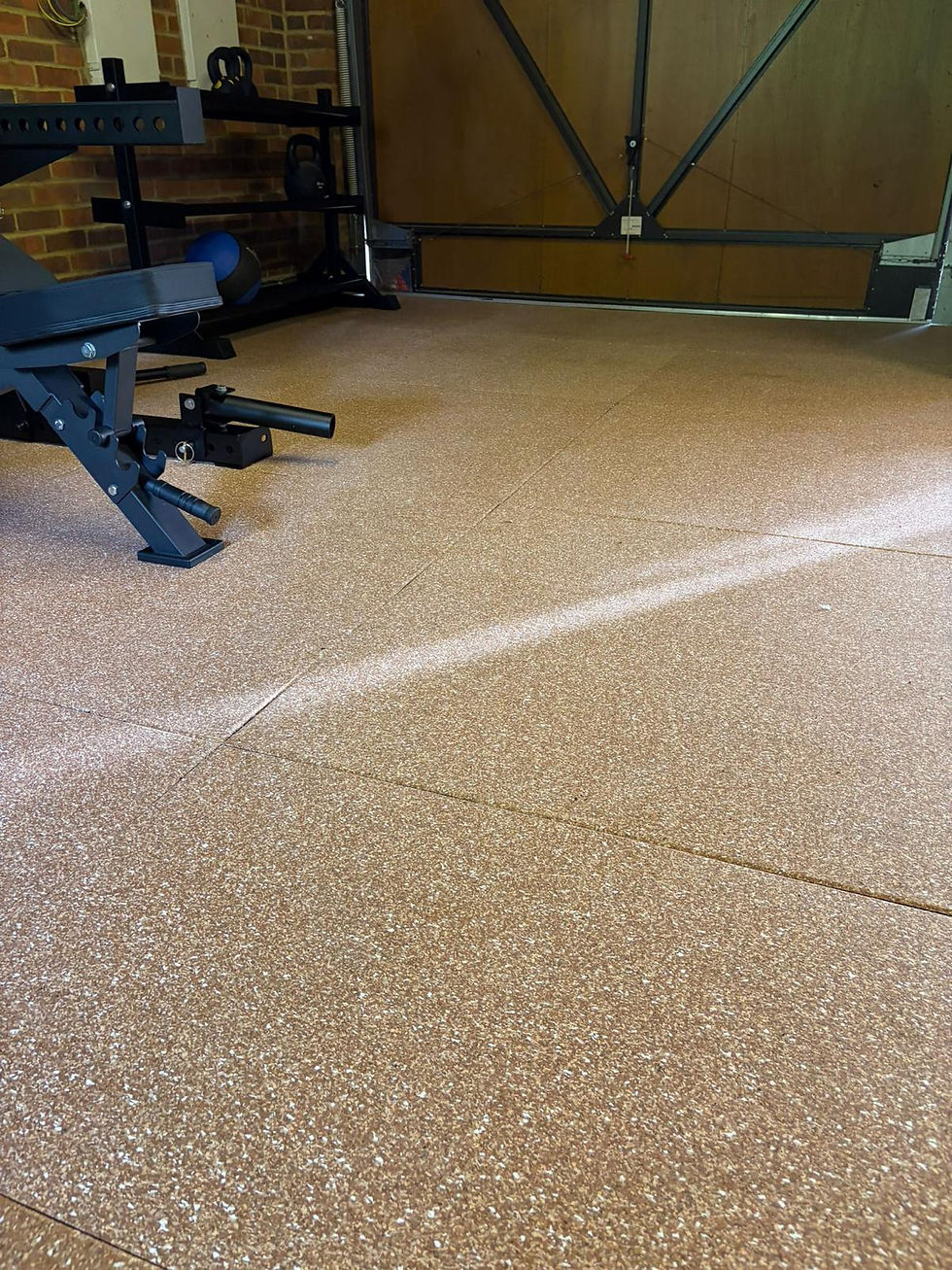
The Complete Guide to Cleaning Your Gym Floor Tiles
Keeping your gym flooring clean is essential for hygiene, performance and long-term durability. Whether you have EPDM or SBR rubber gym floor tiles, the right cleaning routine helps protect the surface, reduce odours and keep your training space looking professional. This guide covers the key steps for cleaning rubber gym flooring properly, helping you maintain a safer, cleaner and longer-lasting setup in a home gym, commercial gym or functional training space.


EPDM rubber gym floor tiles have a smoother surface and premium fleck finish, making them ideal for commercial gyms and high-end training spaces. They’re easier to clean than standard rubber tiles, but still need regular maintenance to keep the surface looking sharp.
EPDM Luxury Fleck Tiles

SBR rubber gym floor tiles offer a textured, grippy surface that works well in functional fitness areas, home gyms and budget-conscious commercial spaces. Regular sweeping, hoovering and careful mopping help maintain traction, reduce dirt build-up and protect the tile’s long-term durability.
SBR Performance Tiles
For both EPDM and SBR gym tiles, you’ll need a hoover or brush, a suitable mop, soft-bristle brush and clean towels. A pH-neutral cleaning solution is also recommended to help protect the surface and maximise the long-term life of your gym flooring.
Essential Cleaning Tools
How to Clean Rubber Gym Flooring ProperlyHow to Clean Rubber Gym Flooring Properly
- Cleaning your gym flooring regularly is one of the simplest ways to protect your investment. Rubber gym floor tiles are designed to handle heavy training, dropped weights, foot traffic and daily use, but they still need the right maintenance routine to stay looking good and performing properly. The best approach depends on the type of flooring you have, how often the gym is used and whether it’s a home gym or commercial facility.
For home gyms, cleaning can usually be kept fairly simple. Most home gym flooring only needs hoovering or sweeping once a week, with a light mop every week or fortnight depending on use. Because there are usually fewer users, less foot traffic and less dirt being brought in from outside, the main focus should be removing dust, cleaning spills quickly and preventing sweat or chalk from building up on the surface.
Commercial gym flooring needs a more consistent cleaning routine. In busy gyms, PT studios and functional training spaces, rubber floor tiles are exposed to far more dirt, sweat, chalk, dust and daily movement. High-traffic zones may need checking throughout the day, especially around free weights, sled tracks, racks and conditioning areas. A deeper clean once a week or fortnight can also help keep the flooring in better condition long term.
EPDM gym floor tiles are generally easier to clean than standard SBR rubber tiles. The smoother surface makes it easier to mop, wipe down and maintain, which is one of the reasons EPDM is popular in commercial gyms, premium home gyms and studio spaces. A flat-head mop, pH-neutral cleaner and regular vacuuming are usually enough for most home setups, while larger gyms may benefit from a floor scrubber for deeper cleaning.
SBR rubber gym flooring is durable and cost-effective, but it can show dirt more easily and may need a slightly different approach. For SBR tiles, avoid using too much water, as excessive moisture can soak into the surface and affect the tile over time. A string mop or microfibre mop works well, along with regular sweeping or hoovering to remove dust, grit and loose debris before it gets worked into the flooring.
The cleaning products you use are important. A pH-neutral cleaner is usually the safest choice for rubber gym flooring, as harsh chemicals can damage the surface or leave behind residue. For a simple budget-friendly option, warm water with a small amount of mild detergent can work well. Avoid using too much washing-up liquid, as it can create excessive suds and make the floor harder to rinse properly.
Try not to flood the floor when mopping. Rubber gym tiles do not need heavy amounts of water to clean effectively. A lightly damp mop is usually enough to lift dirt and freshen the surface. After mopping, allow the floor to dry fully before using the space again. This is especially important in commercial gyms where members may return to training shortly after cleaning.
For larger commercial facilities, cleaning should be built into the daily routine. This might include spot cleaning spills throughout the day, vacuuming high-use areas at closing time and mopping key training zones several times per week. Functional training areas, free weight sections and sled track zones usually need the most attention, as they tend to collect more dust, chalk and debris from repeated use.
Prevention also makes a big difference. Welcome mats at entrances can reduce the amount of dirt brought into the gym, while encouraging users to wear clean trainers can help protect the flooring. Regular hoovering is one of the most effective habits, especially in warehouse-style gyms where dust and debris are harder to avoid. Small bits of grit can mark the floor over time, so removing them early helps preserve the surface.
The best cleaning routine is the one you can keep consistent. For most home gyms, weekly hoovering and occasional mopping will be enough. For commercial gyms, a more structured schedule is needed to keep the space hygienic, professional and safe for members. With the right cleaning products, regular maintenance and good-quality tiles from the start, your rubber gym flooring will stay in better condition for longer.