Launching a PT Studio
Launching your own personal training studio can be a rewarding step if you’re ready to build a space around your coaching style, clients and brand. From choosing the right location to planning your layout, equipment, flooring and budget, there are several decisions that can shape the success of your studio. This guide covers the key things to consider before opening a PT studio, helping you plan a professional, practical and client-focused training space.


Understand who you’ll be training before choosing your equipment. Your PT studio should suit your clients’ goals, needs and training style. Start with versatile kit that supports your core sessions, then add more specialist equipment as your business grows.
Knowing Your Audience

Choose a studio size based on how you plan to use the space. Private PT sessions, group classes and open gym access all need different layouts. Many successful PT studios sit between 40sqm and 100sqm, depending on equipment, storage and training style.
Choosing the Right Studio Size

Work out your rent, equipment costs and monthly overheads before committing to a studio. Calculate how many paying clients you need to break even, then how many you need for profit. If the space allows, renting slots to other PTs can also help increase income.
Crunching the Numbers
Key Things to Plan Before Launching Your PT Studio
- Launching a PT studio is about more than finding a space and filling it with gym equipment. The studio needs to work for your clients, your coaching style and the way you want to run your business. Before committing to a unit, it’s worth thinking carefully about the practical details that will affect the client experience every day.
Start with the logistics. Where will clients park? How easy is the studio to find? Will they need access to toilets, changing rooms or showers? Can clients enter the building safely if you’re not there yet, or will every session need to be managed in person from start to finish? These details may not feel exciting, but they can make a big difference to how professional and convenient your studio feels.
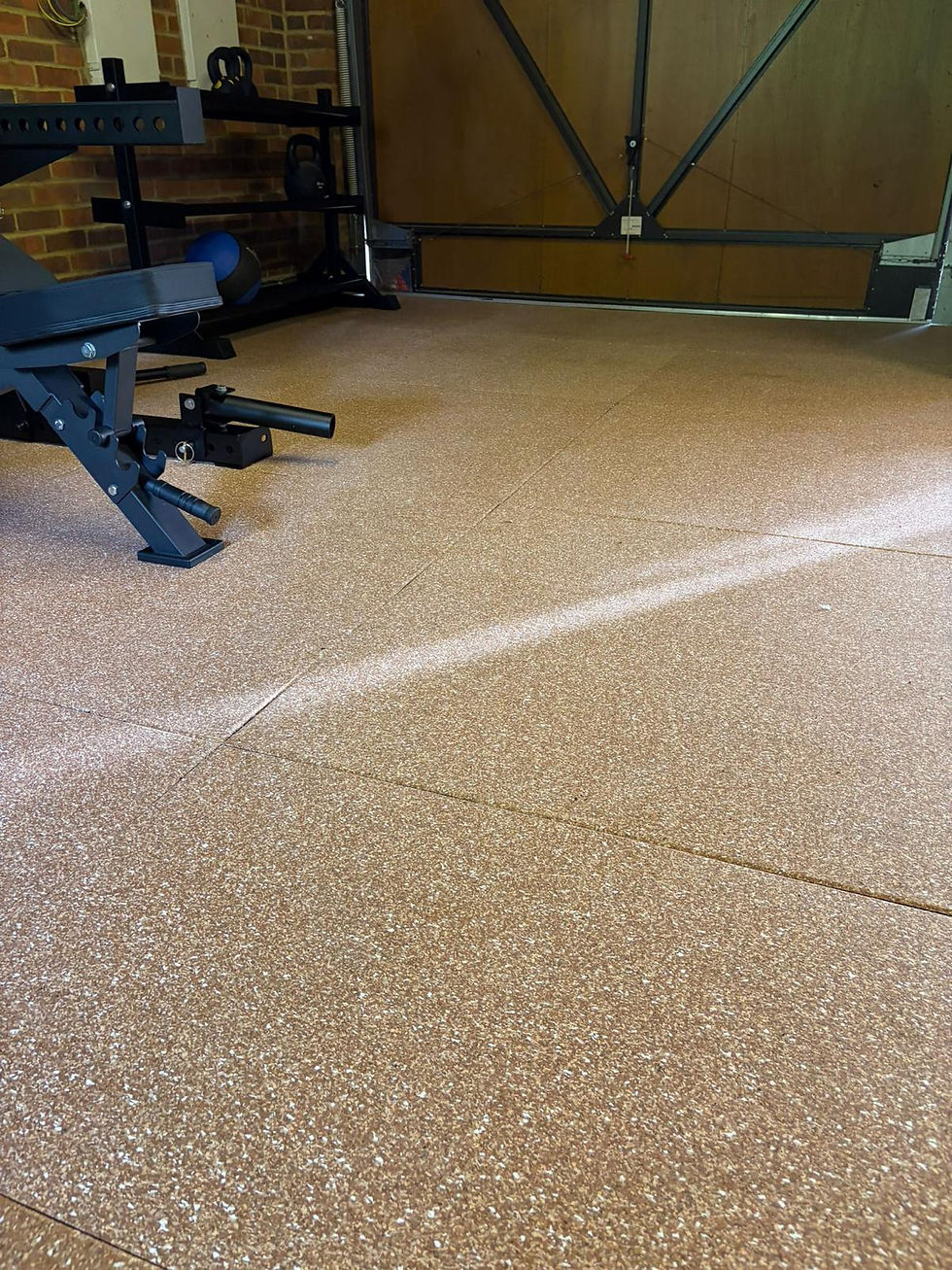
Your layout also needs to support the type of training you deliver. A PT studio should feel open, efficient and easy to coach in. Think about where free weights, racks, functional training zones, storage and cardio equipment will sit. You need enough space for clients to move safely, while still making the most of every square metre. A good layout can make even a smaller studio feel premium and highly usable.
Your website and booking system are also important. Clients should be able to understand what you offer, who you help and how to book without having to message back and forth constantly. A simple website, clear service descriptions and an easy booking process can reduce admin and make your studio feel more professional from the start. Some PTs may also benefit from using an app or booking platform to manage sessions, payments and client communication.
Building your brand is another major part of launching a PT studio. Your space should reflect the type of coaching you offer and the clients you want to attract. Social media can help massively here, especially if you use your studio for exercise demos, client transformations, educational content and behind-the-scenes posts. The more value you share, the easier it becomes for potential clients to understand why they should train with you.
Finance is worth considering early. Opening a PT studio can be a significant investment, especially once you factor in flooring, racks, free weights, machines, storage, mirrors and installation. If you can self-fund the project, that may be the simplest route. However, for larger equipment orders, finance can help reduce the upfront cost and spread payments over time, making the move from rented gym space to your own studio more achievable.
Choosing the right gym equipment partner can also make the process much easier. A good supplier should help you plan the space properly, recommend equipment that suits your training style and make sure the setup is practical for long-term use. For a first PT studio, it’s usually better to invest in versatile kit that supports a wide range of clients, rather than filling the room with equipment that only serves one purpose.
The best PT studios are built with the client experience in mind. From parking and access to layout, branding, booking and equipment choice, every detail should make the space easier to use and easier to grow. With the right planning, your studio can become more than just a place to train clients. It can become the foundation for a stronger, more professional fitness business.