Home Gym Guide
Building a home gym is exciting, but knowing where to start can feel overwhelming. From choosing the right equipment to planning your space, flooring and budget, there are a few key decisions that can make a big difference. This guide answers the common questions we get asked, helping you create a practical, durable and effective home gym setup that works for your training goals, available space and long-term plans.
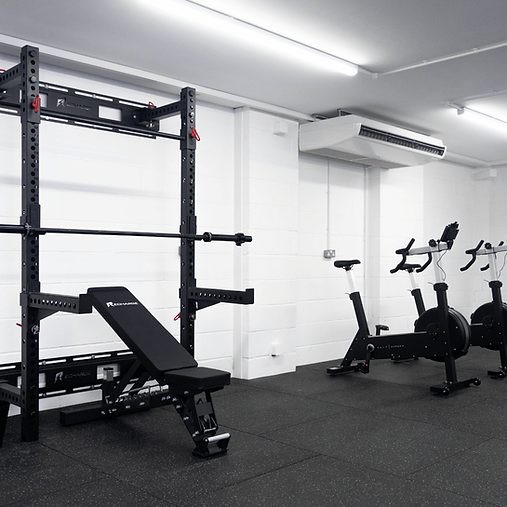


Start with a clear budget, accurate measurements and a realistic kit list. Planning your home gym properly helps you avoid wasted space, unnecessary purchases and equipment that doesn’t suit your training goals.
Create a Well-Researched Plan

Before adding equipment, make sure the room itself is ready. Check the walls, ceiling height, heating, lighting and flooring first, so your home gym feels comfortable, practical and built to last.
Get The Right Foundation

Choose gym equipment that offers high value, versatility and smart use of space. Free weights, a reliable bench, a solid rack and good storage are usually better starting points than large machines you may rarely use.
Invest In The Right Gym Equipment
How to Plan and Build Your Home Gym
- Building a home gym is one of the best ways to make training more convenient, but it needs a proper plan. Before buying equipment, start by looking at your space, budget and training goals. A home gym should be built around how you actually train, not just the equipment that looks good online.
The first step is planning your layout. Measure the full space, including ceiling height, doorway access and any awkward corners. This is especially important in garage gyms, where racks, barbells and storage can take up more room than expected. A 7ft barbell might fit in the room, but you also need enough space to load plates and move safely around it.
Create two lists before you buy anything: essentials and nice-to-haves. Your essential list should include the kit you’ll use every week. For most home gyms, this means dumbbells, a barbell, bumper plates, a bench and some form of rack. Nice-to-haves might include kettlebells, wall balls, cable systems, cardio equipment, extra bars or storage upgrades.
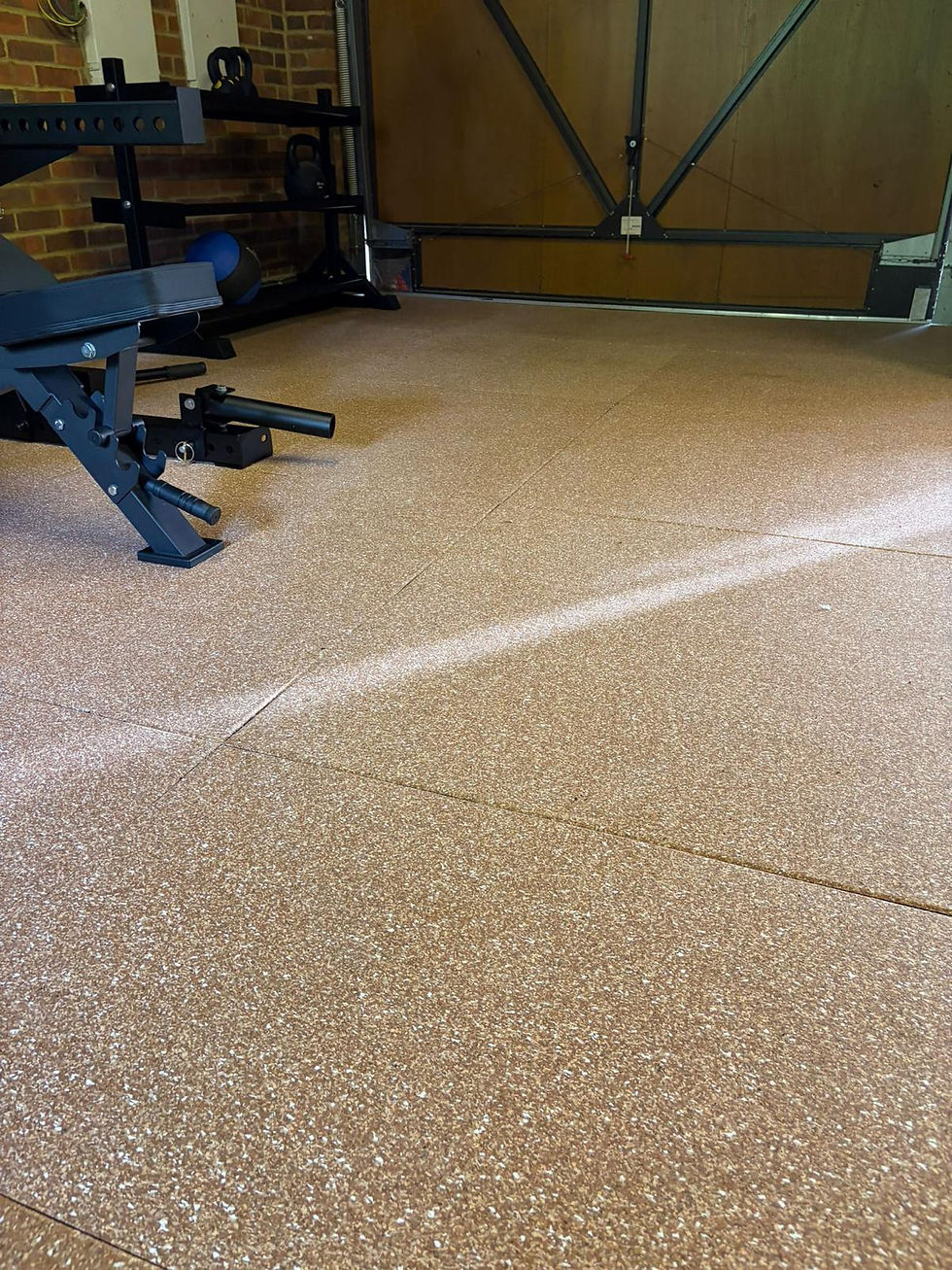
Before installing gym equipment, get the room itself ready. Paint the walls, sort insulation and heating if needed, check the floor is level and lay your gym flooring before anything else goes in. This saves time, avoids mess and gives you a much cleaner finish. For most home gyms and garage gyms, 20mm rubber gym flooring is a strong choice because it offers good protection without taking up too much height.
Lighting, mirrors and storage can make a big difference to how the space feels. Mirrors can help with form and make smaller rooms feel bigger, while good lighting makes the gym feel more professional and motivating. Storage is also important, especially in smaller spaces. Wall-mounted racks, plate storage and dumbbell racks help keep the floor clear and make the gym easier to use.
When choosing home gym equipment, focus on versatility. Free weights are usually the best foundation because they can be used for a wide range of exercises. Dumbbells, kettlebells, barbells and bumper plates give you plenty of training options without needing huge machines. A good bench and rack then open up even more movements, including squats, presses, rows and strength work.
Try not to overfill the room. One of the biggest home gym mistakes is buying too much too soon. Large items like full racks, cable machines, leg extensions and cardio machines can quickly take over the space. Ask yourself whether you’ll use each item regularly, whether it suits your goals and whether there’s enough room to use it properly.
Quality matters too. Cheap gym equipment can be tempting, but it often wears faster, feels worse to use and may need replacing sooner. Good-quality kit should be seen as an investment in your training, health and convenience. It also tends to hold its value better if you ever upgrade or change your setup later.
The best home gym is not always the biggest or most expensive one. It’s the one that fits your space, supports your goals and makes you want to train consistently. Start with the essentials, build slowly and use your budget where it matters most: flooring, free weights, a solid bench, a reliable rack and smart storage.